

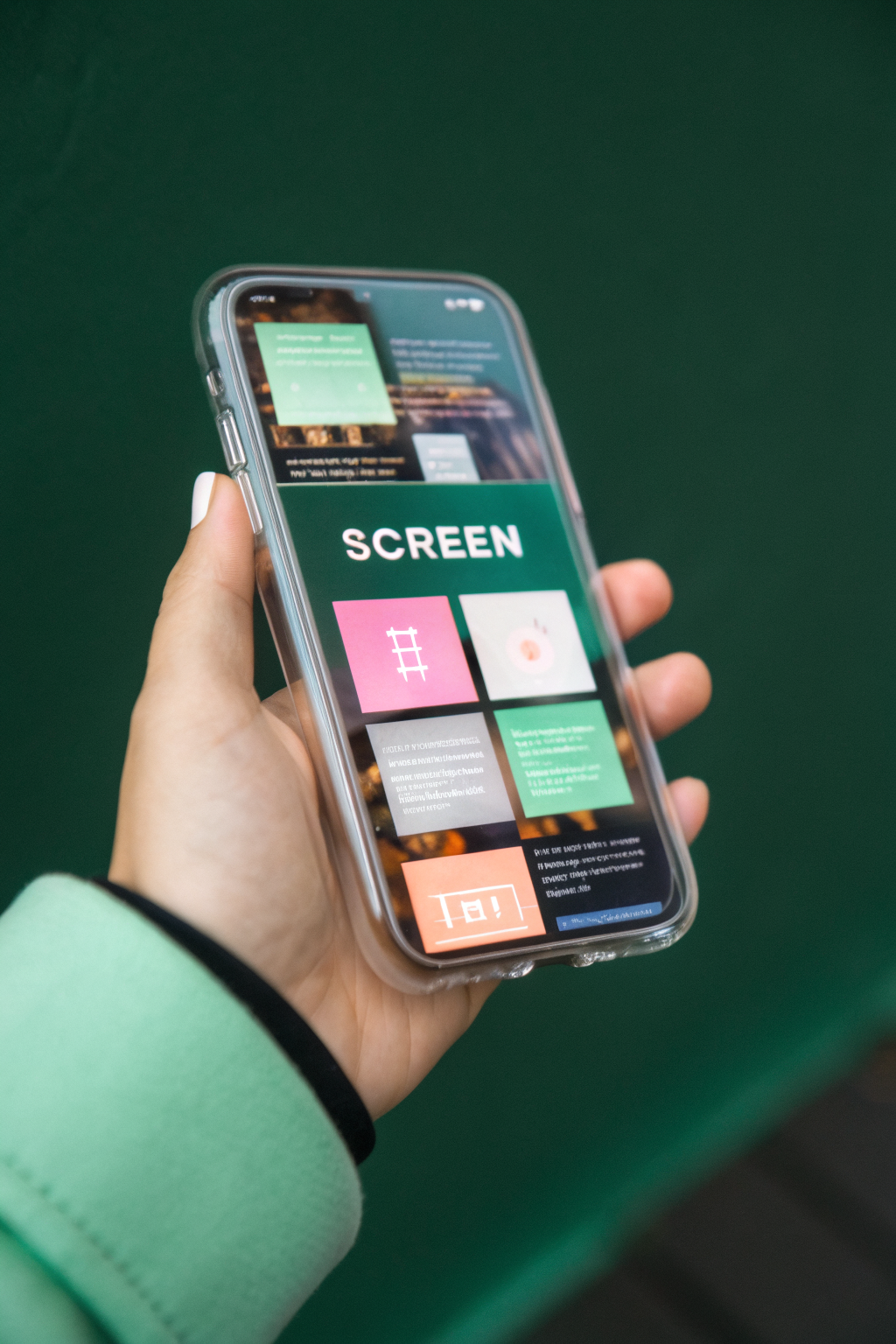
Alibaba just released Qwen-Image-3.0, and it does something most AI image generators still struggle with: it takes a 4,500-token prompt and generates a complete, text-accurate image with readable words, proper layout, and structural precision. Not a dreamy landscape with gibberish text. A real diagram. A real UI. A real poster you could actually ship.
What Qwen-Image-3.0 Actually Does
Previous image generation models max out around 1,000 tokens for prompts. That is enough for “a sunset over mountains” or “a cat wearing sunglasses.” Qwen-Image-3.0 takes 4.5x that input length, and that changes what you can ask for.
Instead of a single sentence, you can write what amounts to a design brief. Describe the layout. Specify the text content. Define the visual style. List the typography details. The model absorbs all of it and renders the result in a single pass.
What that produces:
- Knowledge diagrams with formulas, geometric figures, and logical derivation steps all rendered correctly in one image
- Complex UI layouts where every label, button, and navigation element is readable, not blob-text approximations
- Multi-element infographics that combine charts, labels, and annotations without mangling the words
- Nested interface compositions where, for example, a VSCode editor contains a Qwen app that contains a chat window that contains a coffee poster, and every layer has legible text down to 10-pixel characters
It also renders text in 12 languages across 20+ font families. That is not a niche feature. If you have ever tried generating a product label in Japanese, a social post in Arabic, or a movie poster in Korean, you know most models butcher non-Latin scripts. Qwen-Image-3.0 handles them natively.
The Nested UI Thing Is Wild
Here is the capability that stops people mid-sentence: you can ask Qwen-Image-3.0 to generate an image of a screen showing an app, inside another app, inside another screen, and it renders every layer with correct structure, consistent style, and legible text at every depth.
The example Alibaba shared: “Generate a VSCode programming interface where the Qwen App creates a hand-drip coffee poster published in a chat interface.” The output shows VSCode containing the Qwen app containing a social chat window containing a coffee poster, and the phone screenshot even has a tiny readable timestamp. That level of compositional reasoning inside an image generator has not been demonstrated at this fidelity before.
What This Unlocks for Designers and Creators
If you make anything visual for a living, this is the capability jump that matters:
- Product mockups without Figma. Describe your app layout in natural language, get a rendered screen with real text, real buttons, real hierarchy. Use it for concepts, pitch decks, or early testing before you build a single component.
- Infographics that actually communicate. Stop settling for AI images where the chart axis says “Aaaa Bbbb.” Write your data story, get it rendered with correct labels, proportional layout, and readable annotations.
- Multi-language campaign assets at scale. One prompt, 12 language outputs. No more generating a poster in English and then arguing with your localization team about why the Arabic version looks like ransom notes.
- Film and comic storyboards. 4,500 tokens is enough to describe scene composition, character positions, dialogue text, and camera angle in one prompt. Get a panel, not a mood board.
How to Access It
Enterprise developers can start using Qwen-Image-3.0 right now through Alibaba Cloud’s Bailian platform and the Qwen AI API. Free public access is rolling out to Qwen Studio and the Qwen mobile app.
For developers: the API supports text-to-image generation with extended prompt inputs. You can call it through the standard Qwen Cloud image generation endpoint, passing your prompt as the input parameter with up to 4,500 tokens.
What to Look Out For
Qwen-Image has been the text-rendering champion since version 1.0. Version 2.0 added unified generation and editing. Version 3.0 pushes the model into territory that used to require a human designer: structural layouts, nested compositions, and genuinely useful multilingual output.
The competitive angle is real. GPT-Image’s strength has been photorealistic product renders. Qwen-Image-3.0 is staking out the opposite end: functional visual content. Diagrams you can learn from. UIs you could almost click. Posters where every word is correct.
If your workflow involves creating visual assets that need to communicate information, not just look pretty, Qwen-Image-3.0 is the model to watch. The 4,500-token input window means you can finally describe what you actually want instead of guessing which 20-word prompt will produce something close.
Want more like this? Join MOKU CLUB for free. Weekly resources, early access to new guides, and occasional templates you can actually use. Join below.