

The Note Nobody Writes
Someone just bought from you. They handed over their money, gave you their address, and trusted your product enough to hit buy. And what do they get? An automated shipping confirmation from a no-reply address.
That is a missed opportunity. The thank-you note is the cheapest, most personal, and most underused retention tool in e-commerce. Not a coupon. Not a template. A real note.
Why Thank-You Notes Work
Most stores never follow up after the first purchase. The ones that do send a generic “We appreciate your business!” email that reads like it was written by a legal team. A personal, specific thank-you note stands out because nobody else is sending one.
The psychology is simple: reciprocity. When someone acknowledges you as a person, not an order number, you remember them. You come back. You tell other people.
Step 1: Pick the Right Channel
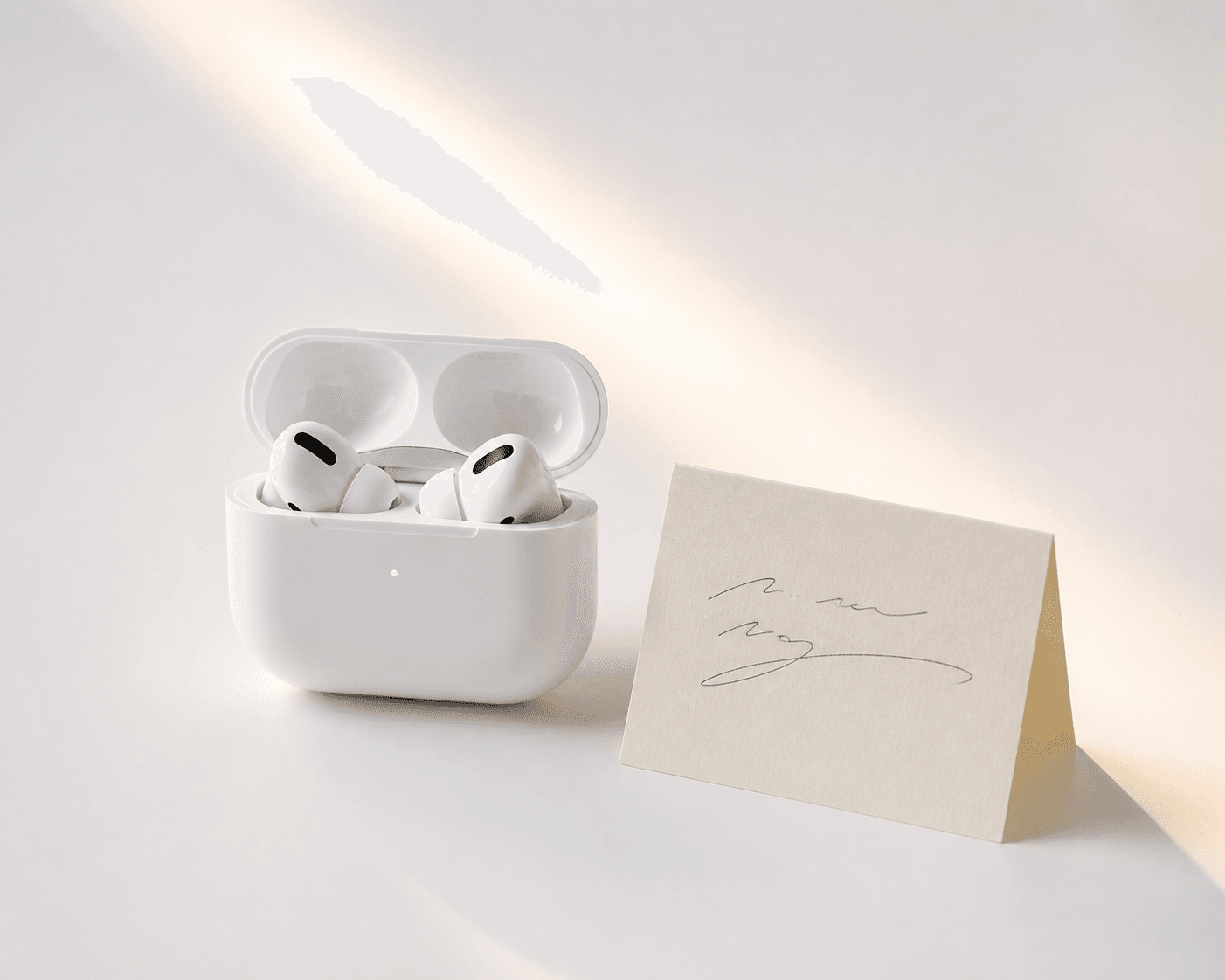
Email is the default. It works. But a handwritten card inside the package works harder. If you ship physical products, a small card with a short note and your name on it costs almost nothing and creates a moment the customer photographs and shares.
For digital products, an email is your only option. Make it count by making it feel personal, not automated.
Step 2: Keep It Short and Specific
The best thank-you notes are three to five sentences. Longer than that and nobody reads them. The key is specificity. Name what they bought. Mention something about it. Make it clear you actually looked at their order.
Bad: “Thank you for your purchase! We appreciate your business.”
Good: “Hi Sarah, thanks for ordering the candle set. The cedar and sage is one of our favourites. Hope it makes your space smell incredible.”
The second one takes 15 seconds to write and makes the recipient feel like a person, not a transaction.
Step 3: Don’t Sell. Yet.
A thank-you note is not a sales email. It is a relationship email. Do not include a discount code, a product recommendation, or a referral link in the first note. Those come later. The thank-you note has one job: make the customer feel valued.
The selling happens in the follow-up sequence. The thank-you note is step one of that sequence, but it should never feel like step one of anything commercial.
Step 4: Time It Right
Send the thank-you within 24 hours of the purchase for digital products. For physical products, include the card in the package. If you are sending an email, send it after delivery confirmation so it arrives when the customer is actually experiencing your product.
A thank-you that arrives before the product does not land the same way. Wait until they have something in their hands that they are happy about.
Step 5: Scale It Without Losing the Personal Touch
You do not need to write every note from scratch. Create 4 to 5 templates based on product categories, then personalise the first line. The template handles structure. The personalisation handles the moment that makes it feel real.
For Shopify stores, use order tags or product types to trigger the right template automatically. The customer sees a specific, personal note. You see a system that runs without you.
The Ripple Effect
A thank-you note does not just improve retention. It creates word of mouth. People share personal notes on social media. They tell friends about the store that “actually wrote me a handwritten card.” That kind of marketing cannot be bought.
Start with your next 10 orders. Write a personal note for each one. Watch what happens to your repeat purchase rate in 60 days.
Want more like this? Join MOKU Club for free. Weekly resources, early access to new guides, and occasional templates you can actually use. Join below.