
30 Seconds, Not 5
Most AI video models top out at 5 to 15 seconds per clip. That is enough for a social media sticker, not a product demo, not a brand intro, not a scene with a beginning and end.
Seedance 2.5 pushes the native clip duration to 30 seconds. Not a stitched-together montage. A single, coherent generation that runs for half a minute with consistent characters, lighting, and physics throughout.
The reason this matters: 30 seconds is the length of an Instagram Reel, a TikTok, a YouTube Shorts ad, or a product showcase that actually shows the product. You no longer need to chain multiple short clips and pray they look like they belong together.
50 Reference Materials at Once
This is the part that should get your attention if you have ever tried to get AI video to follow a brief.
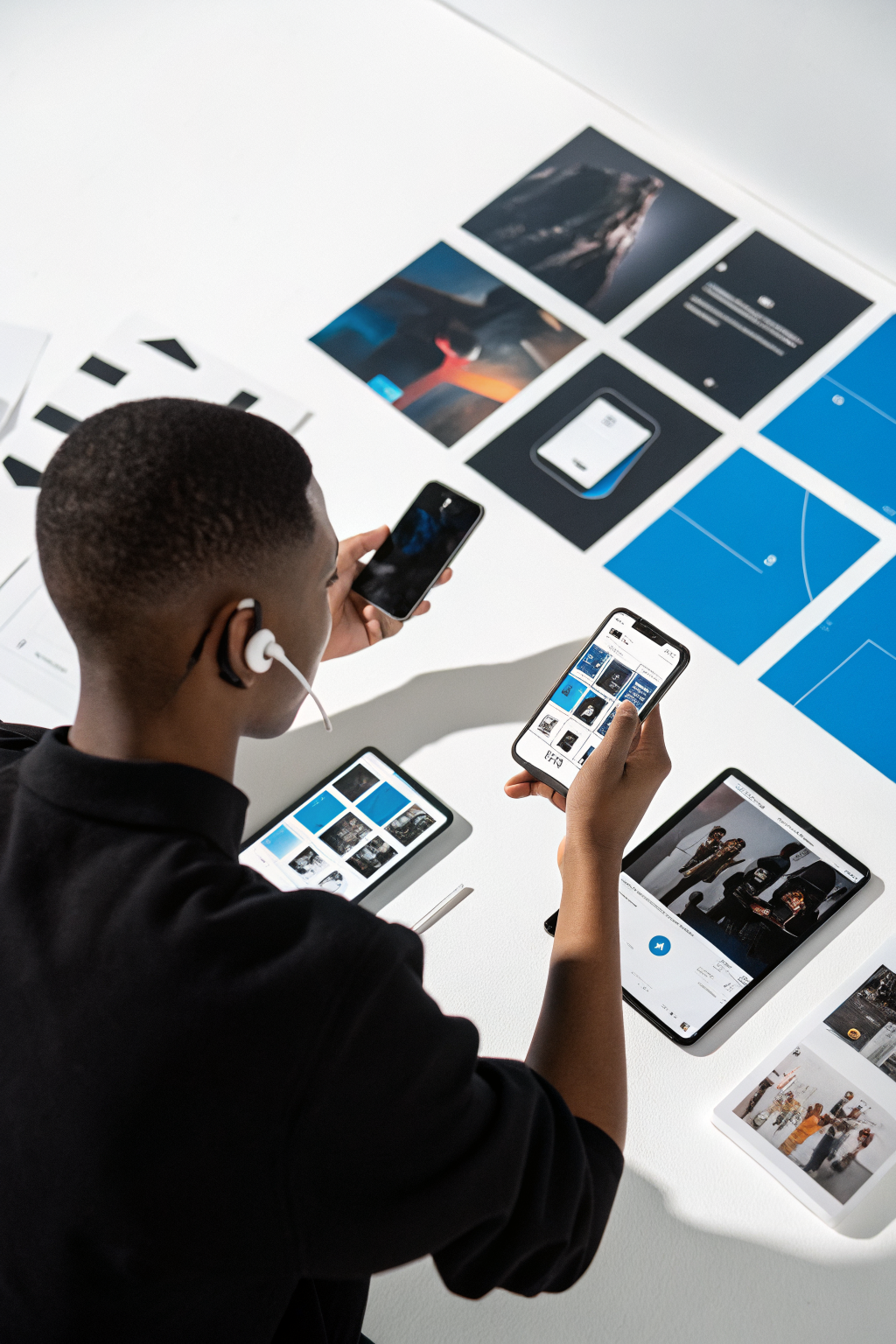
Seedance 2.5 accepts up to 50 multimodal reference inputs in a single generation. Images, style references, brand guidelines, framing references, character sheets. You load them in, and the model uses them to keep the output visually compliant over that full 30-second runtime.
Previous models handled 10 to 12 references at most, which was enough for a short clip but fell apart when you needed consistent branding across a longer piece. Fifty references means you can hand the model a full brand kit and a shot list, and it has the context to follow both.
For small businesses producing video content, this means you can feed in your product photos, your colour palette, your font samples, and your shot references all at once, and get output that actually matches your visual identity instead of hallucinating random colour shifts and style drift halfway through.
Granular Multi-Shot Editing
The biggest frustration with AI video has been the dice-roll problem. You like the first 10 seconds but the character’s shirt changes colour in the last 5. Your only option was to regenerate the whole thing and hope for a better roll.
Seedance 2.5 introduces localised scene editing. You can swap out a specific asset, change a character’s clothing, or adjust a lighting setup without regenerating everything around it. The rest of the video stays intact.
It also adds director-grade camera controls. You can specify tracking shots, pans, and motion speed directly in the workflow rather than relying on prompt luck to get the camera movement you want.
This is the difference between “generate something and hope” and “direct something and refine.” It is the shift from slot machine to editing suite.
Native 4K and Audio Sync
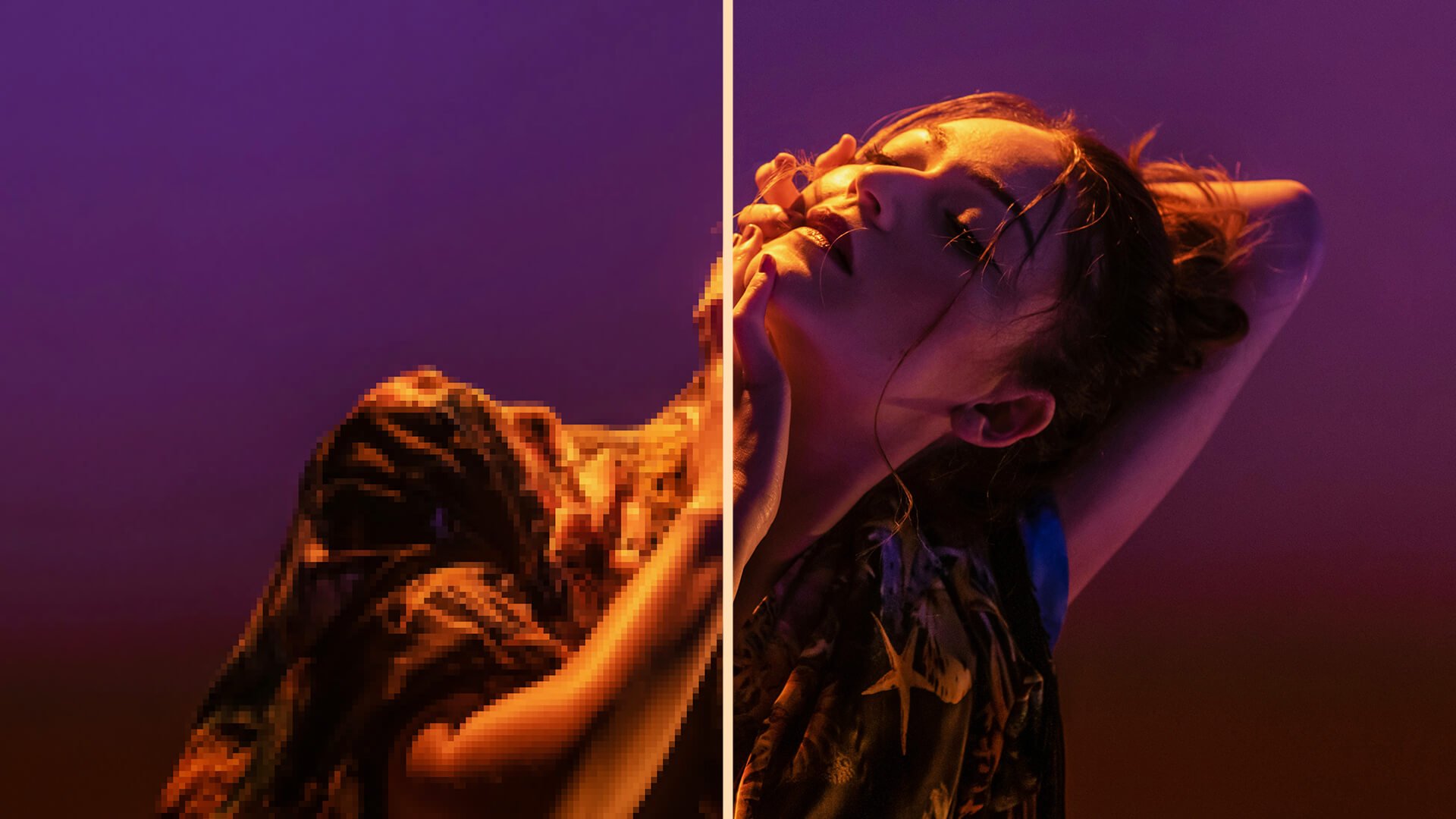
The Seedance 2.0 base model has been upgraded to support native 4K generation. Not an upscale. Not a post-processing pass. 4K from the model itself.
The 2.5 update also adds phoneme-level lip-syncing and automated ambient sound design. The model generates background music and environmental sound effects matched to the on-screen action in a single render pass.
If you have ever spent longer syncing audio to AI-generated video than it took to generate the video in the first place, this is the upgrade that eliminates that step.
The Stephen Chow Partnership
ByteDance also previewed an AI copyright commercialisation platform, and legendary filmmaker Stephen Chow signed on as a foundational creative partner. Users on Douyin and other ByteDance platforms can create secondary content using Chow’s classic film clips through Seedance.
Over 10,000 templates were created on the first day of the announcement.
The creative angle here is not just the celebrity partnership. It is that ByteDance is building a pipeline where licensed IP feeds directly into AI generation. That is a model other platforms will copy fast, and it has implications for how small brands approach content creation with licensed assets.
What to Look Out For
Early July rollout means this is not a “coming soon” slide. It is weeks away from being in creative studios.
The real question for small business creators is access. Seedance has been primarily an enterprise product through Volcano Engine’s cloud platform. Whether the 2.5 update includes accessible pricing tiers for smaller teams is the detail that will determine whether this becomes a practical tool or stays a studio-level luxury.
The 50-reference input system is the capability to watch. If it works as described, it solves the consistency problem that has made AI video unreliable for brand work. That alone makes Seedance 2.5 worth paying attention to, even if you never touch the enterprise API yourself. Other platforms will have to match it, and that competition drives everything toward better, cheaper tools.
Want more like this? Join MOKU Club for free. Weekly resources, early access to new guides, and occasional templates you can actually use. Join below.