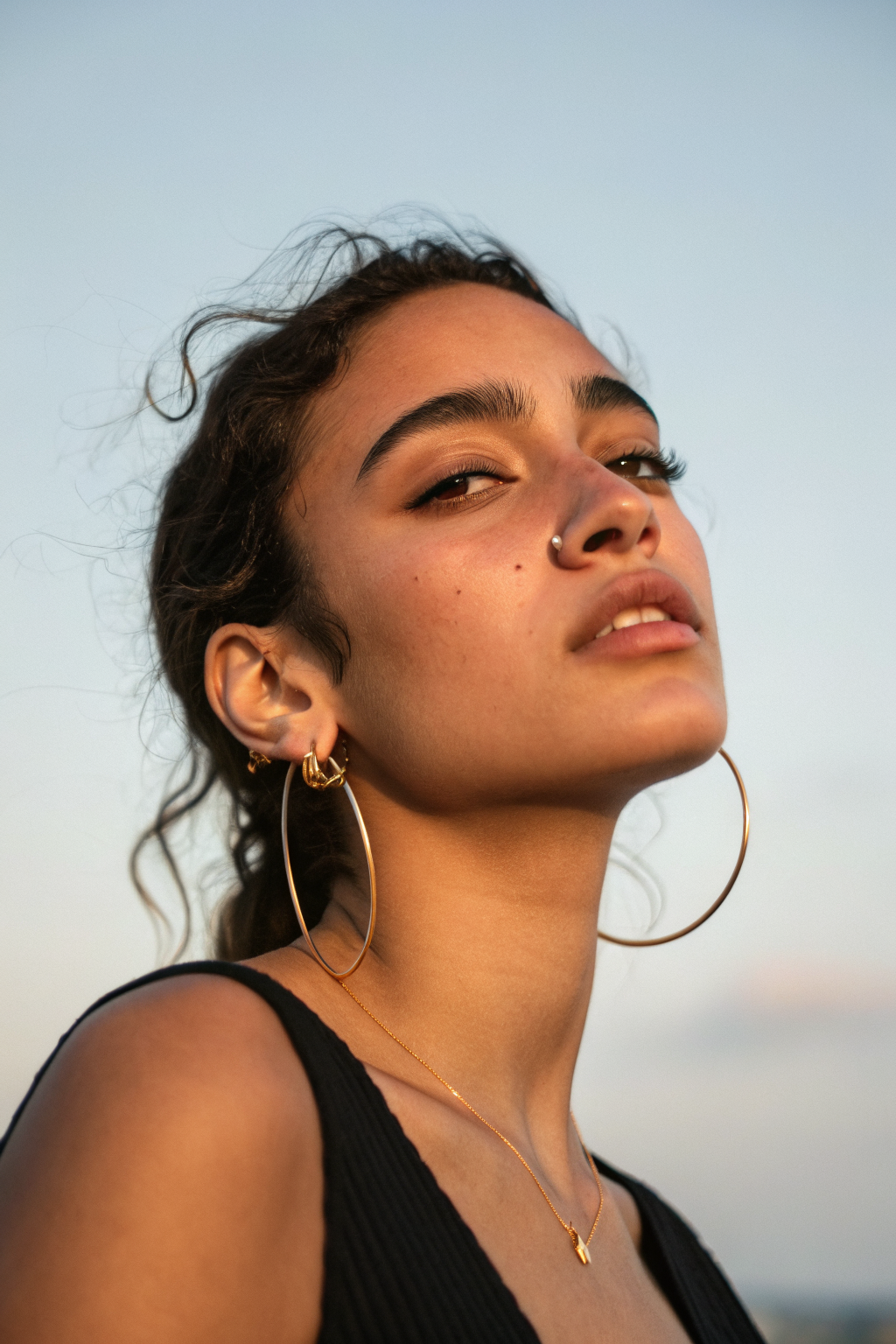


SenseTime just open-sourced SenseNova U1.5, an 8-billion parameter image model that generates native 4K images, renders readable text in Chinese and English, edits photos with surgical precision, and runs small enough to fit on consumer hardware. The weights are on HuggingFace right now. Apache 2.0 license. Free to use commercially.
This is not another incremental update. SenseNova U1.5 is the first open-source model that produces actual 4K output without an upscaler stapled on after the fact. That alone changes what becomes possible for designers, developers, and anyone who has been paying per image for closed-source generation.
What SenseNova U1.5 Actually Does
The model handles four things in one unified architecture:
- Native 4K generation. Direct 4K output at up to 3840×2160. No super-resolution post-processing. No upscaling pipeline. The model generates the full resolution natively, which means textures, fine details, and small text stay sharp all the way to the pixel level.
- Text rendering that actually reads. Dense Chinese and English text renders legibly in posters, infographics, and mockups. Not just short slogans either. Full paragraphs, data labels, and structured layouts come out with the characters intact and correctly positioned. The benchmark scores jumped from 47.14 to 55.20 on Qwen-Image-Bench for generation quality.
- Precise image editing. Style transfer guided by reference images. Multi-reference image compositing. Local edits using masks, bounding boxes, and visual markers. Infographic editing where you can change individual text blocks without regenerating the whole graphic. ImgEdit-Bench climbed from 3.90 to 4.37.
- Sketch-to-finished output. Hand-drawn sketches turn into polished posters, product visuals, and design comps. This is not a gimmick. The model understands spatial layout from rough drawings and preserves the intent while filling in realistic detail.
Why 8B Matters More Than 8B Sounds
Eight billion parameters sounds small next to the 13B and 20B models from other vendors. But SenseNova U1.5 uses a Mixture-of-Transformers (MoT) architecture where only a fraction of parameters activate per token. That means faster inference, lower memory requirements, and the ability to run on a single consumer GPU without quantization tricks.
The practical upside: you can run this locally. No API costs. No rate limits. No vendor lock-in. The Apache 2.0 license means you can fine-tune it, deploy it in production, and build commercial products on top of it without asking anyone for permission.
What the Output Looks Like
The generation quality is striking for an 8B model. The upgrade from U1 to U1.5 shows most clearly in three areas:
- Textures and materials have real weight and variation. Fabric looks like fabric. Metal catches light correctly. Skin tones are natural rather than plasticky.
- Layout composition handles dense, multi-element designs without the jumbling and overlap that plague smaller models. Posters with text blocks, images, and decorative elements stay organized.
- Editing consistency is the biggest leap. When you edit a specific region or swap a reference image, the rest of the composition does not collapse. GEdit-Bench-en went from 7.47 to 8.17, and the Chinese variant from 7.42 to 8.05.
The model also fixes a specific annoyance from U1: the grid-pattern artifacts that appeared at high resolutions. U1.5 replaces the old patch-by-patch reconstruction with a progressive spatial decoder that lets neighboring patches blend smoothly, eliminating the visible seams that used to show up at larger sizes.
How to Use It Right Now
The weights are available on HuggingFace under sensenova/SenseNova-U1.5-8B-MoT-Preview. Inference code is on GitHub at OpenSenseNova/SenseNova-U1.
Quick start:
- Install the package. Clone the repo and install dependencies. The inference scripts work with PyTorch and support both single-GPU and multi-GPU setups.
- Download the weights. Pull from HuggingFace. There is also a GGUF quantized version for low-VRAM setups if you are running on hardware with limited memory.
- Run inference. The examples directory has ready-to-run scripts for text-to-image generation, image editing with masks and bounding boxes, multi-reference compositing, and style transfer.
- Fine-tune. Full-parameter fine-tuning code is included in the training directory. The pre-training launcher and configuration files for U1.5 8B are also open-sourced, so you can train from scratch on your own data.
For the editing workflows, the model accepts structured instructions: point at a region with a bounding box, provide a text instruction, and optionally feed reference images. The model edits only what you specify and leaves everything else untouched. This is the workflow that most closed-source models still struggle with.
What This Unlocks
An open-source, Apache-licensed, locally runnable model with 4K native output and real editing capabilities shifts the landscape in several directions at once:
- Designers get an editing tool, not just a generator. The mask-and-edit workflow means you can generate a concept, then refine specific parts without starting over. That is the difference between a toy and a tool.
- Developers can build products without API dependency. Run it on your own infrastructure. No per-image charges. No uptime worries. No terms of service that change overnight.
- Small studios get access to capabilities that were locked behind closed-source pricing. 4K generation, dense text rendering, and structured editing were the province of commercial APIs. Now they are a git clone away.
- The benchmark for open-source image generation just moved. Every other open model now has to match native 4K output and real editing precision. That competition accelerates everything.
SenseTime has also confirmed that a production-grade version, U1Pro, is entering public beta soon. The preview is already strong enough to replace paid generation tools for many workflows. When U1Pro lands, the gap between open and closed narrows further.
The weights are live. The license is permissive. The quality is real. Go build something with it.
Want more like this? Join MOKU CLUB for free. Weekly resources, early access to new guides, and occasional templates you can actually use. Join below.